
World’s First Hydrogen-Fueled Engine for Large Commercial Vessels Successfully Completes Land-Based Testing
–Greenhouse Gas (GHG) Emissions Reduced by More Than 95% Compared with Conventional Heavy-Fuel-Oil Engines–
September 18, 2026
New Energy and Industrial Technology Development Organization (NEDO)
Japan Engine Corporation
Kawasaki Heavy Industries, Ltd.
Yanmar Power Solutions Co., Ltd.
Mitsui O.S.K. Lines, Ltd.
MOL Drybulk Ltd.
Onomichi Dockyard Co., Ltd.
Nippon Kaiji Kyokai (ClassNK)
Translation of NEDO’s Japanese news release posted on September 8, 2026
As part of NEDO’s "Green Innovation Fund Project / Next-Generation Ship Development", Japan Engine Corporation (Hereafter, “Japan Engine”), Kawasaki Heavy Industries, Ltd. (Hereafter, “Kawasaki”), and Yanmar Power Solutions Co., Ltd. are jointly developing the “Development of Marine Hydrogen Engines and MHFS.”
Japan Engine has completed the world’s first hydrogen-fueled engine for large commercial vessels, the 6UEC35LSGH (Hereafter, “the engine”). To mark the completion of the engine, it was unveiled to project stakeholders at Japan Engine’s headquarters factory on September 7.
During factory testing, the engine achieved a hydrogen co-firing rate of at least 95%, reducing GHG emissions by more than 95% compared with conventional heavy-fuel-oil engines.
Going forward, as part of the “Blue Harmony” project, the engine will be installed on a 17,500 DWT multipurpose vessel to be built by Onomichi Dockyard Co., Ltd. for Mitsui O.S.K. Lines, Ltd. and MOL Drybulk Ltd., with onboard demonstration testing scheduled to begin in April 2028. In addition, Nippon Kaiji Kyokai (Hereafter, “ClassNK”) will conduct safety assessments throughout each stage of the engine’s development and the vessel’s design, construction and operation.
-
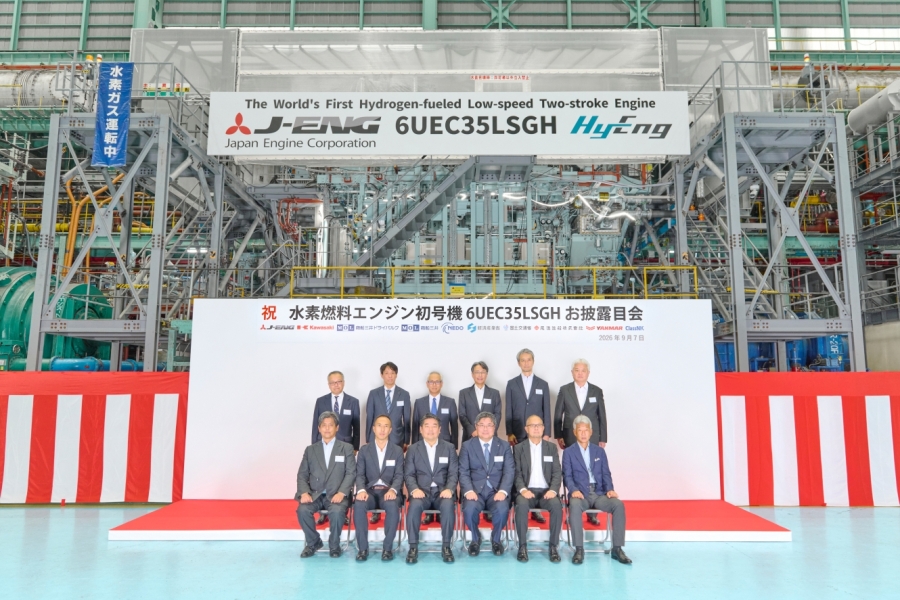 Figure 1: Group Photo of Representatives from Participating Organizations
-
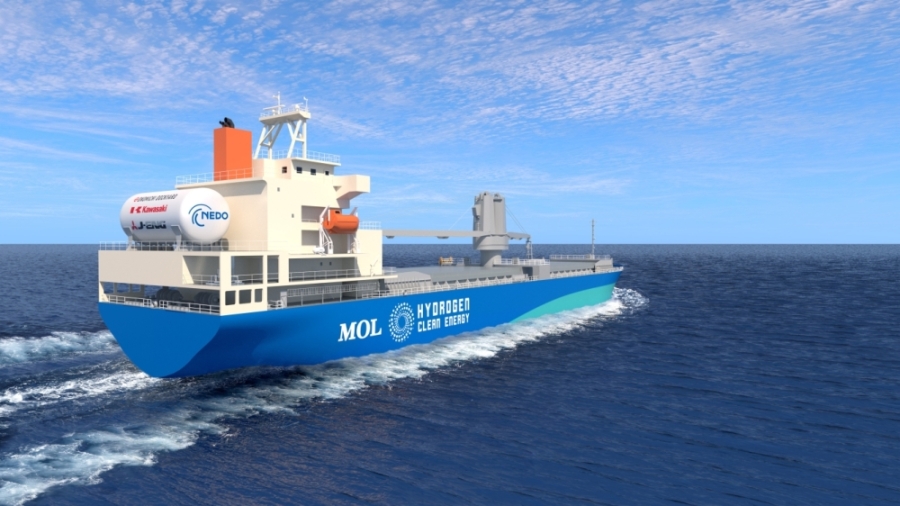 Figure 2: CG rendering of the 17,500 DWT Multipurpose Vessel
Green Innovation Fund Project / Development of Marine Hydrogen Engines and MHFS
1. Background
To achieve carbon neutrality in international shipping by 2050, the timely development and commercial deployment of engines powered by next-generation fuels are essential. Japan Engine, Kawasaki, and Yanmar Power Solutions are developing hydrogen-fueled engines under NEDO’s Green Innovation Fund Project.
In August 2025, Japan Engine completed the world’s first ammonia-fueled marine low-speed two-stroke engine*1. As a pioneer in engines powered by next-generation fuels, Japan Engine is supporting the growth of Japan’s shipping and shipbuilding industries through the development and market launch of a wide range of engines, while also helping reduce GHG emissions in the maritime industry and achieving carbon neutrality by 2050.
2. Through these efforts
Japan Engine has completed the 6UEC35LSGH, the world’s first*2 hydrogen-fueled engine for large commercial vessels. By adopting a high-pressure direct injection system, which injects fuel directly into the cylinder at high pressure, the engine achieves stable hydrogen combustion. During factory testing, the engine achieved a hydrogen co-firing ratio of at least 95%, and reduced GHG emissions by more than 95% compared with conventional heavy-fuel-oil engines. Safety measures have also been implemented, including a robust structure to prevent hydrogen leakage and double-walled piping for hydrogen supply lines. Approval testing was conducted in the presence of ClassNK and was completed successfully.
3. Future plans
Japan Engine has been developing the hydrogen-fueled engine as a participant in the “Blue Harmony”*3 project, which aims to realize and commercialize hydrogen-fueled vessels. The engine is scheduled to be installed in January 2027 on a 17,500 DWT multipurpose vessel to be built by Onomichi Dockyard for Mitsui O.S.K. Lines and MOL Drybulk. Hydrogen fuel will be supplied to the engine through the MHFS*4 developed and manufactured by Kawasaki. The vessel will then undergo sea trials before onboard demonstration testing begins in April 2028. Kawasaki will also develop and manufacture bunkering equipment for supplying liquefied hydrogen to vessels. The demonstration will further evaluate the engine’s durability and performance under actual operating conditions.
Notes
- *1 World’s first ammonia-fueled marine low-speed two-stroke engine:
- As a commercial model of a fully Japanese-made engine.
- Reference: Completion of the world’s first commercial model of a fully Japanese-made engine fueled by ammonia (September 1, 2025).
- *2 World’s first:
- According to research by Japan Engine as of September 2026.
- *3 Blue Harmony:
- A project name based on the color blue, which evokes clean hydrogen, and representing the integration and harmony of technologies developed by Japanese companies, as well as the future coexistence of ships and people.
- *4 MHFS:
- Abbreviation for Marine Hydrogen Fuel System, consisting of marine hydrogen fuel tanks and a fuel supply system.
4. Contact Information
Contact for inquiries about the content of this news release
NEDO Hydrogen and Ammonia Dept. Next-generation Ship Section
TEL: +81-44-520-5261 Email: gi_ngs[*]ml.nedo.go.jp
Lead Company Contact
Japan Engine Corporation General Affairs & Public Relations
TEL: +81-78-949-0800 Email: pr_info[*]j-eng.co.jp
Please replace the [*] in the above email address with @.