
“MOFs Were Ahead of Their Time.” How Early Support Helped Lead to a Nobel Prize
—Special Dialogue: Nobel Laureate KITAGAWA Susumu and NEDO Chairman SAITO Tamotsu—
May 11, 2026
KITAGAWA Susumu, Distinguished Professor at the Institute for Integrated Cell-Material Sciences (iCeMS), was awarded the 2025 Nobel Prize in Chemistry for pioneering the field of Metal-Organic Frameworks (MOFs), a breakthrough that opened a new frontier in materials science.
NEDO supported Kitagawa’s research from fiscal 2009 to fiscal 2013 through its project on foundational technologies for green and sustainable chemical processes, including the development of high-efficiency gas separation and purification technologies for by-product gases. More recently, NEDO has continued its support under the Green Innovation (GI) Fund Projects, specifically through its “Development of Technology for CO2 Separation, Capture, etc.” project, launched in fiscal 2022.
In this conversation, Kitagawa and Saito discuss the future of research and development, as well as the path toward broader social implementation of advanced technologies.
-
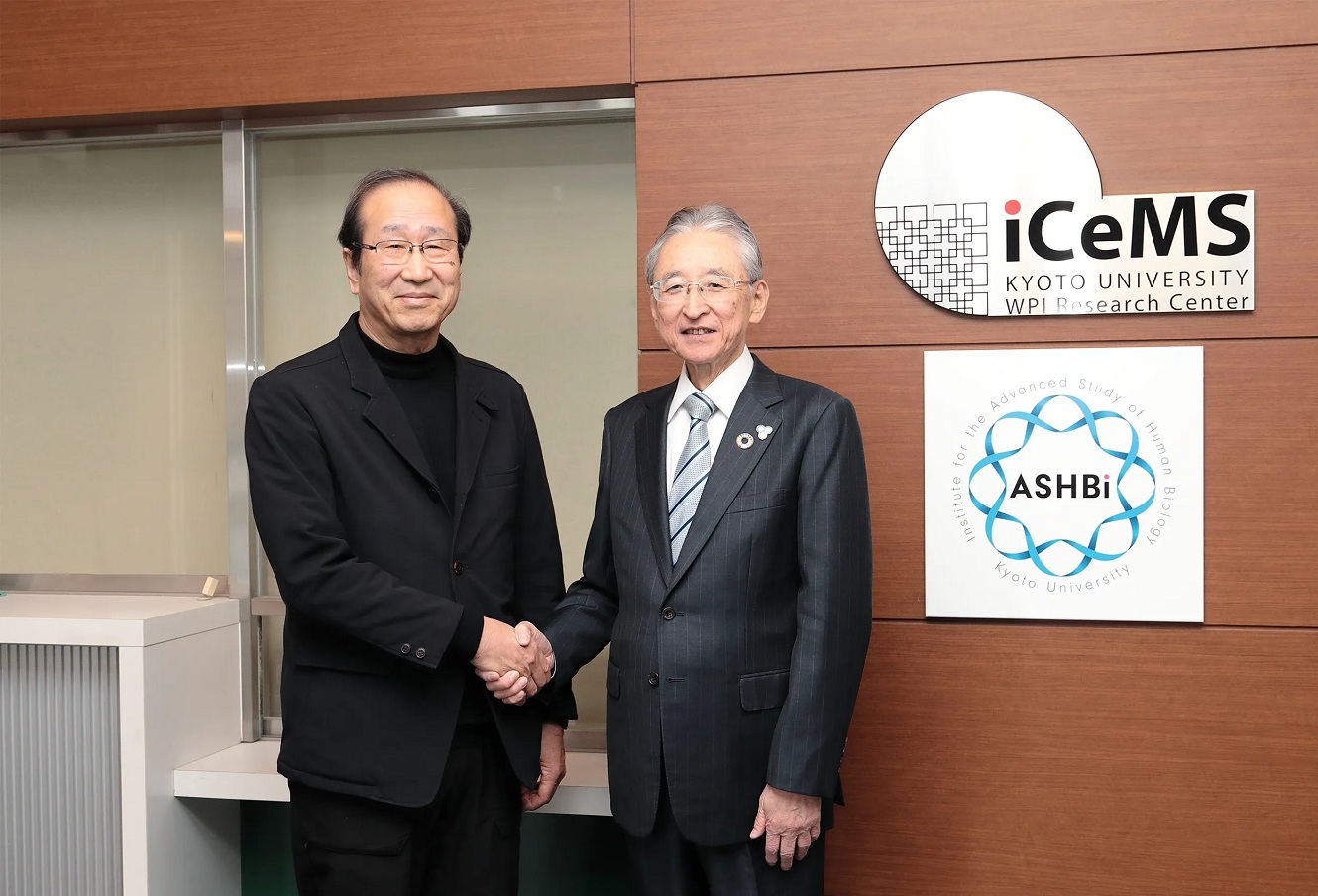 Susumu Kitagawa (left) and NEDO Chairman Tamotsu Saito (right)
“Intellectual Curiosity Kept Driving Us Forward” Cross-Disciplinary Collaboration Will Be Essential
Saito: First of all, let me extend my heartfelt congratulations on your Nobel Prize in Chemistry. To begin, could you share your honest thoughts on receiving the award?
Kitagawa: It is deeply encouraging to see the field of porous materials, which we have worked on for many years, receive recognition around the world. I look forward to seeing what new ideas and possibilities may emerge, including applications that differ from those we have envisioned so far.
Saito: You pioneered the development of Metal-Organic Frameworks (MOFs) and helped establish an entirely new field in materials science. I imagine the journey was not without its challenges. Looking back, how did you overcome them? If there are any memorable episodes, I would very much like to hear about them.
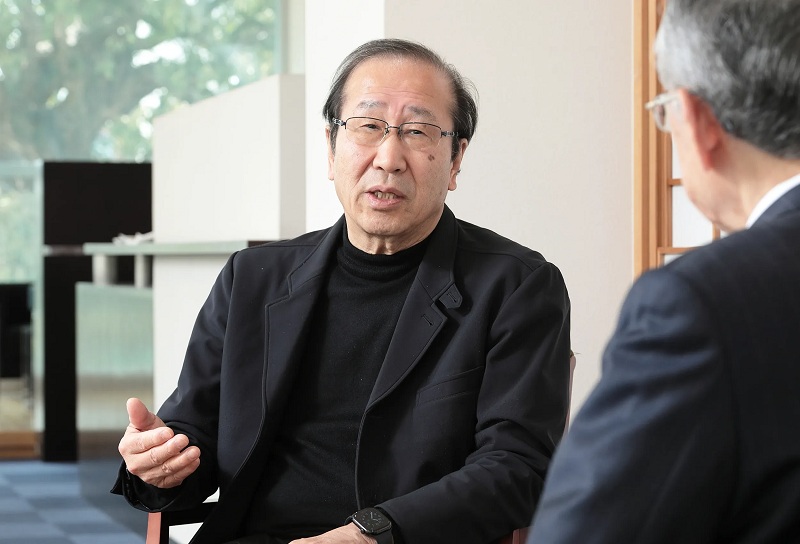
Kitagawa: Conventional wisdom holds that solids are densely packed. That is why the very idea of deliberately creating a “solid with holes” was a challenge in itself. That said, it was not entirely without precedent—there are earlier materials such as activated carbon and zeolites. With these in mind, just as houses can be made of stone, wood, or even paper, I see the world of materials as something that keeps expanding in many different directions.
Because the concept was so new, it was quite a struggle to get researchers in the field to fully accept it. But once we demonstrated that specific gases and liquids could be repeatedly introduced and removed without compromising the material, even those who had been skeptical gradually began exploring it themselves. That is how the field started to grow.
Those of us who worked on it in the beginning certainly faced difficulties, but there was also a real sense that we were creating an entirely new class of materials. The process itself was fascinating. Intellectual curiosity kept driving us forward. We never reached a point where we felt like giving up.
Saito: “Intellectual curiosity kept driving us forward.” That sounds very much like you, Professor Kitagawa.
Kitagawa: There is a famous quote by Louis Pasteur: “Chance favors the prepared mind.” Alongside that idea, I was also deeply influenced, during my university years, by the concept of muyō no yō (“the usefulness of the useless”) from the writings of Hideki Yukawa, who himself drew on the philosophy of Zhuang Zhou. It is the idea that what may appear to have no practical use can, in fact, hold profound value.
We pursued our research with that philosophy in mind. Unlike applied research, which seeks to improve the performance of existing technologies, university research begins with creating something entirely new from nothing. Kyoto University also has a distinctive culture that gives researchers the freedom to follow their own curiosity. I believe it was that environment of intellectual freedom that allowed us to come this far.
Saito: MOFs, the subject of your Nobel Prize-winning work, are expected to contribute to solutions for energy and environmental challenges, including CO2 separation and capture. How do you view the current state of their social implementation in this field?
Kitagawa: Today, things have progressed considerably, but 15 years ago the situation was very different. As I mentioned earlier, the goal of university research is to create something entirely new — something no one else has achieved before. In that context, quantity is not especially important. Even a single gram can be enough.
Industrialization and social implementation, however, are completely different matters. Once companies become involved, scale becomes essential. We would often be asked to produce 500 grams or even a kilogram of material, but that was simply beyond what a university laboratory could realistically handle. In many cases, we had no choice but to decline. There was a significant gap there.
About a decade ago, however, startups began to emerge and take on the challenge of scaling up production. There has been growing momentum to refine laboratory recipes and manufacture these materials in larger volumes and at lower cost. Even so, large-scale production alone is not enough to replace existing technologies such as PSA (pressure swing adsorption) for CO2 separation.
Unlike activated carbon or zeolites, MOFs require significant changes to equipment and processes, which in turn demand substantial upfront investment.
When our materials first appeared, we also tried to explore industrial partnerships. But concerns over safety and system compatibility slowed progress considerably. The barriers have certainly come down over time, but this is precisely why we must not become complacent. Continued effort remains essential.
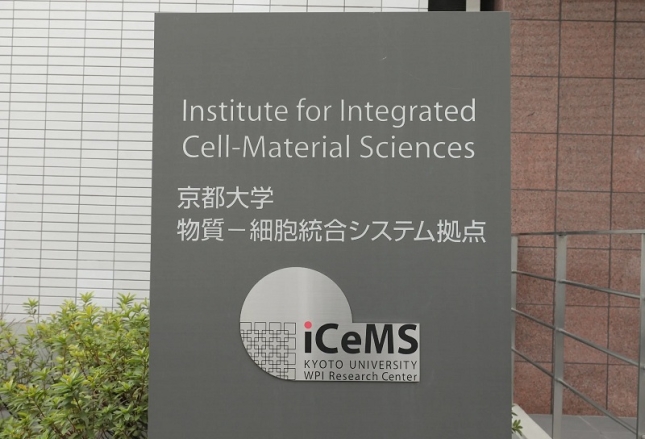 Kyoto University’s Institute for Integrated
Cell-Material Sciences (WPI-iCeMS),
where Kitagawa conducts his research.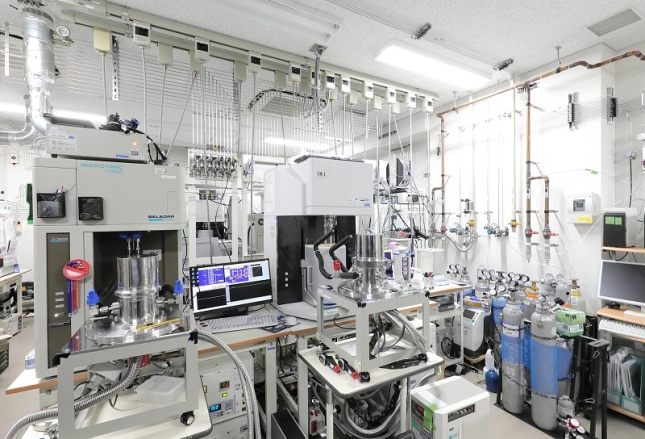 An array of overhead pipes supplies different gases
for experiments involving gas separation
and capture using MOFs.
Saito: MOFs are also expected to find applications across a wide range of fields, including drug discovery and drug delivery systems. How do you see the future potential of MOF technology?
Kitagawa: MOFs are basically powders. They are almost like flour, which means they cannot be used as they are. To make them practical, they first need to be pelletized, which involves adding other materials. Once you do that, combining MOFs with different substances can give rise to entirely new functions.
In sensor applications, for example, they can selectively capture specific substances. In the pharmaceutical field, they could potentially be used to encapsulate drugs and deliver them within the body. At the same time, there are still important challenges to overcome. Suppose a MOF made from copper and organic molecules is used to deliver a drug to a targeted area of the body. What happens if side effects occur? To avoid that risk, we have to explore alternatives — for instance, frameworks made from calcium and sugars that could naturally break down and be metabolized in the body. In other words, while the potential is enormous, MOFs themselves still require further refinement.
At the same time, broader social implementation will depend on hybridization. When MOFs are combined with other materials, key questions arise: how should they be connected, and what kinds of structural order or regularity would emerge from those combinations? I believe answering those questions will be a major focus of research going forward.
I refer to these kinds of integrated applications as the “fourth generation” of MOFs. The key will be developing them as hybrid materials. Expanding this field further will require collaboration across many different disciplines.
-
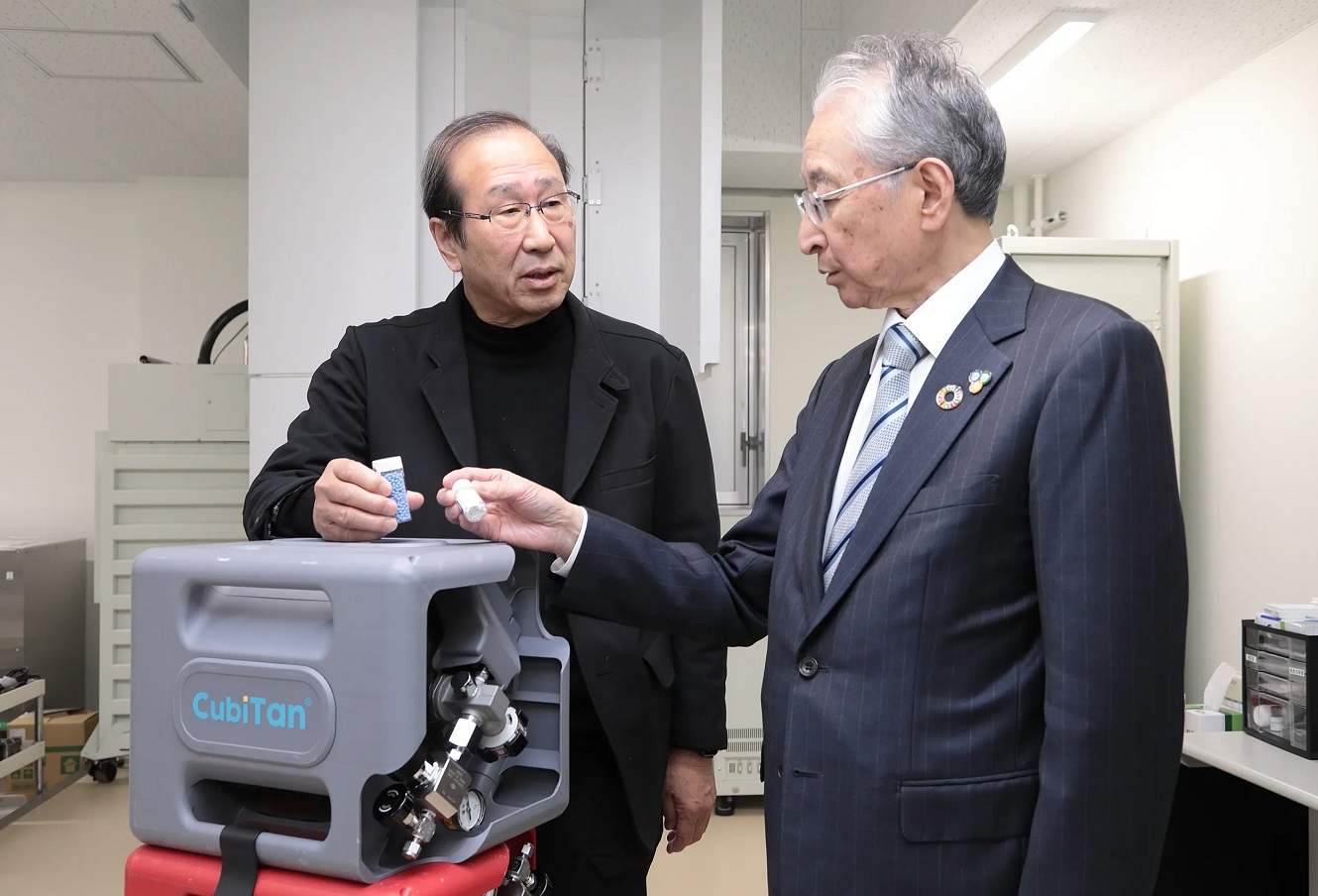 Kitagawa and Saito examine and discuss MOF materials during their conversation.
Grateful for NEDO’s Early Support Startups Are Now Driving Social Implementation
Saito: From fiscal 2009 to fiscal 2013, NEDO supported your research through its project, “Development of Foundational Technologies for Green and Sustainable Chemical Processes,” including high-efficiency separation and purification technologies for by-product gases. More recently, from fiscal 2022 to fiscal 2024, we also supported your work under the “Moonshot Research and Development Program.” Looking back, what role did these initiatives play in advancing your research?
Kitagawa: MOFs were simply ahead of their time. The field had not yet gained broad acceptance, and it was not at a stage where many researchers and companies were ready to engage with it on a wider scale. There were also many regulatory and practical hurdles at the time, so it was not a situation where visible results could emerge quickly. That is why NEDO’s support meant so much to us. I believe that experience also had a lasting impact on the mindset of researchers in the field.
In fact, Masakazu Higuchi, an associate professor at iCeMS who collaborated with us on the research, later founded a startup that has scaled production to tens of tons annually. I think the support helped shape his determination to turn the research into something tangible and visible in society, ultimately shifting his focus toward social implementation.
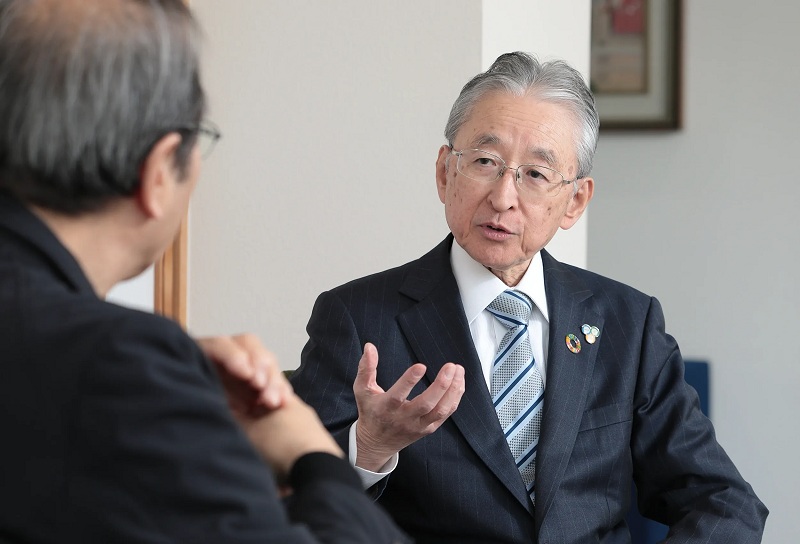
Saito: NEDO is currently supporting your research through the “Development of Technology for CO2 Separation, Capture, etc.” project, which was launched in fiscal 2022 as part of the Green Innovation (GI) Fund Projects. What are your expectations for this initiative?
Kitagawa: As we are seeing in the Middle East today, disruptions to energy supplies can threaten the very foundation of Japanese industry. That is precisely why Japan needs to develop technologies that rely on resources available everywhere, and air is perhaps the best example. If we can successfully capture CO2 and convert it into something useful, green innovation has the potential to become a reality.
CO2 is often treated as a villain, but like oxygen and hydrogen, it is fundamentally a resource. In fact, technologies already exist to extract water from the air. By focusing on something as universal as air, we can build technologies with long-term sustainability.
That said, this is not something that can be accomplished in five years. In basic science, time itself is essential, and research must be viewed on at least a 20-year horizon. My own work has already reached the pilot stage, but the challenge of cost still remains. Once that barrier is overcome and tangible results begin to emerge, I believe many more players will enter the field.
Saito: Since 2014, NEDO has strengthened its support for R&D-driven startups and in recent years, it has expanded its budget for startup support, including support for deep tech fields. As part of those efforts, NEDO has supported Atomis Inc., a startup for which you serve as a scientific advisor, through projects including the “Development of Next-Generation High-Pressure Gas Cylinders” in fiscal 2017 and “Development of Next-Generation Gamma-Version High-Pressure Gas Vessels” in fiscal 2022. NEDO is also currently supporting the company’s research and development project, “CO2 Separation and Capture System for Manufacturing Processes Using Innovative MOF Adsorbents.” What led you to become involved with startups in the first place?
Kitagawa: The main reason was that my collaborator, Higuchi, founded a startup. However, I have never received any form of compensation; my role has always been limited strictly to the technology itself. Once compensation becomes involved, I would also have to bear responsibility for the practical and commercial side of things, and that would compromise my role as a researcher. If there is a fundamental issue that cannot be solved, I go back and rethink it from the ground up myself. At the same time, I remain available at any time to advise on improvements and refinements. That is the kind of distance I try to maintain. As long as that balance can be preserved, I believe there could well be opportunities to work with other startups in the future as well.
Saito: NEDO has also supported your overseas demonstration projects, and you are currently advancing MOF-related demonstrations in Indonesia. What is the objective behind expanding this technology internationally?
Kitagawa: Indonesia has abundant natural gas resources, yet its infrastructure, including pipelines, remains underdeveloped, creating an imbalance in which the country still relies heavily on imported fuel. We believe that developing a gas transport system that is easy to ship, easy to store, and ready for immediate use could make a meaningful contribution there.
-
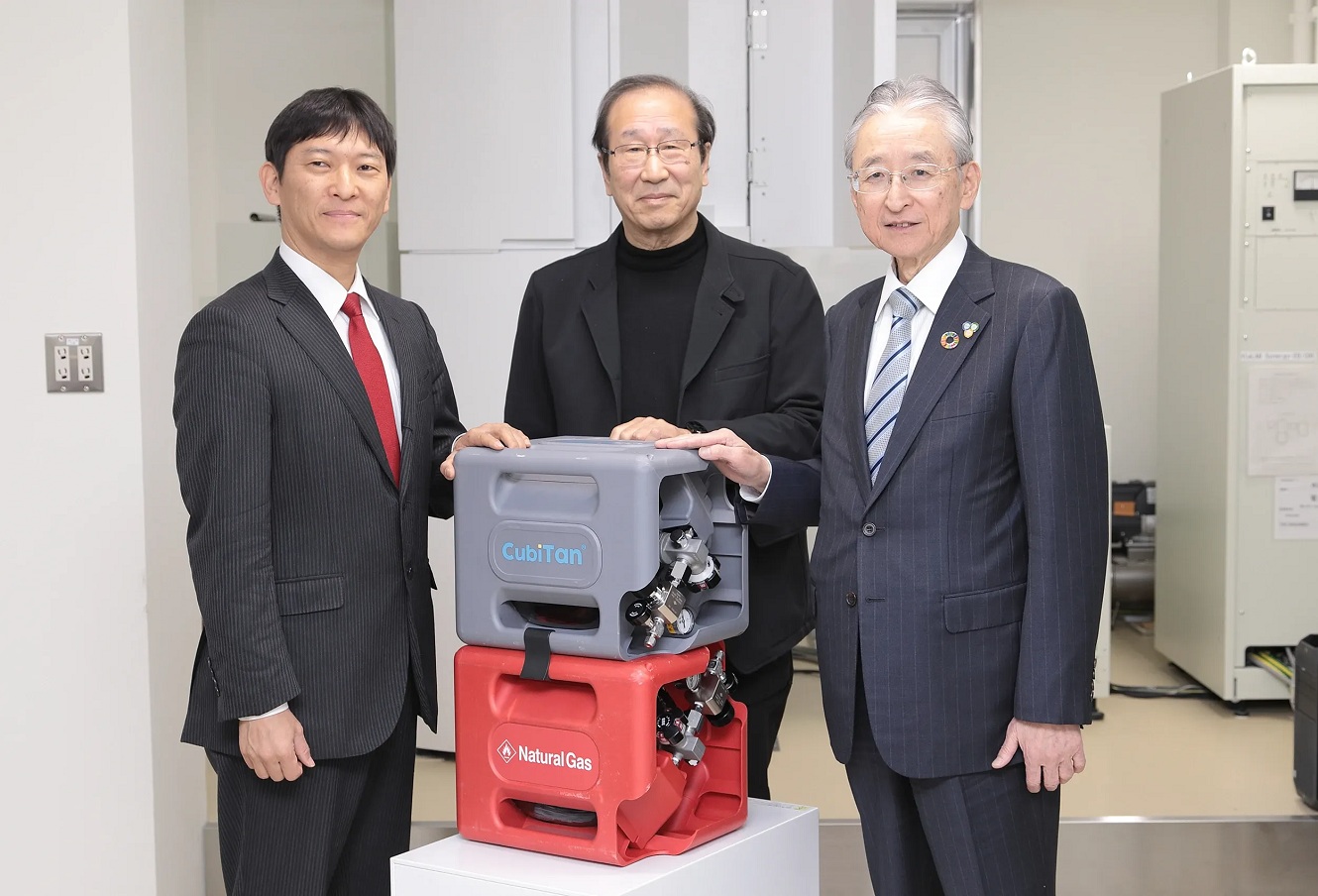 Masakazu Higuchi (left), founder of Atomis Inc., with “CubiTan,” a next-generation high-pressure gas container developed by the company to address transportation and cost challenges associated with high-pressure gas distribution. Equipped with MOFs as gas adsorbents, the container can store gas without increasing pressure.
Kitagawa: Japan may appear to have well-developed infrastructure, but urban areas are heavily dependent on pipelines, which also creates vulnerability. Once an accident or natural disaster occurs, the entire system can quickly come to a halt. In those situations, energy ultimately has to be transported physically. That is why lightweight, easy-to-handle technologies are so important as a backup. From that perspective, the technologies we are developing in Indonesia could eventually prove valuable in Japan as well.
Saito: Research and development require more than financial support alone. Non-financial support is equally important. As a project management organization, NEDO also hopes to strengthen its hands-on support for commercialization and practical implementation. What are your thoughts on this approach?
Kitagawa: Even in the field of materials science, I feel that regulatory barriers remain extremely high for companies. These constraints are not limited to the final approval stage. There are also many restrictions throughout the development process itself, to the point that even experiments cannot always be conducted freely. As a result, companies are often forced to establish highly rigorous systems from the outset, which significantly increases initial investment costs.
Overseas, by contrast, experiments and development can often proceed more flexibly, and Japan has repeatedly fallen behind in global competition. I hope organizations like NEDO, which work closely with the government, can take a more proactive role on the regulatory side as well. Measures such as partial regulatory easing or the creation of special zones to support demonstration projects could make development far more efficient from both a technical and financial standpoint.
“Never Give Up” Overcoming the Barriers to Practical Implementation
Saito: Thank you very much for sharing these valuable insights. NEDO supports not only large corporations, but also universities and startups. Do you have any message for those engaged in research, as you have been throughout your career?
Kitagawa: There are certainly major barriers to practical implementation, but I hope researchers will continue moving forward with a “never give up” spirit. When fundamental problems arise, we can work together to think through them from a scientific perspective. What matters is building a collaborative framework that truly works.
There have been cases where young researchers from companies came to us with specific challenges they were facing, and those discussions ultimately helped advance our own research as well. At the same time, once they returned to their companies, progress often stalled. That is precisely why I believe it is important to maintain relationships where people feel comfortable reaching out whenever they encounter difficulties.
Saito: Finally, could you share your thoughts on the future direction of your research?
Kitagawa: At the beginning of every year, I make a list of things that probably cannot be achieved. And whenever one of them becomes possible, I move it to a separate list of accomplishments. In our laboratory, we deliberately take on themes that most people would consider impossible — ideas that would be extraordinary if they could actually be realized.
Take living cells, for example. When there is a difference in the concentration of chemical species across a membrane, substances normally move from the side with higher concentration to the side with lower concentration. Yet cells possess mechanisms known as active transport, which move substances against that flow from lower concentrations to higher ones.
Inspired by this phenomenon, I believe it could represent a major breakthrough if we were able to realize active transport using MOFs. Because MOFs are a form of chemistry that can be designed for specific purposes, they allow us to pursue challenges like this.
From the perspective of practical implementation, CO2 capture and utilization will be critically important. One possibility is a trailer-sized system that integrates everything from CO2 capture to concentration, then combines the captured CO2 with hydrogen on-site to generate energy. Because the raw materials are available virtually everywhere, even small local communities could potentially produce energy in a self-sustaining way. If systems like that can one day become reality, I think it would open up very promising possibilities.
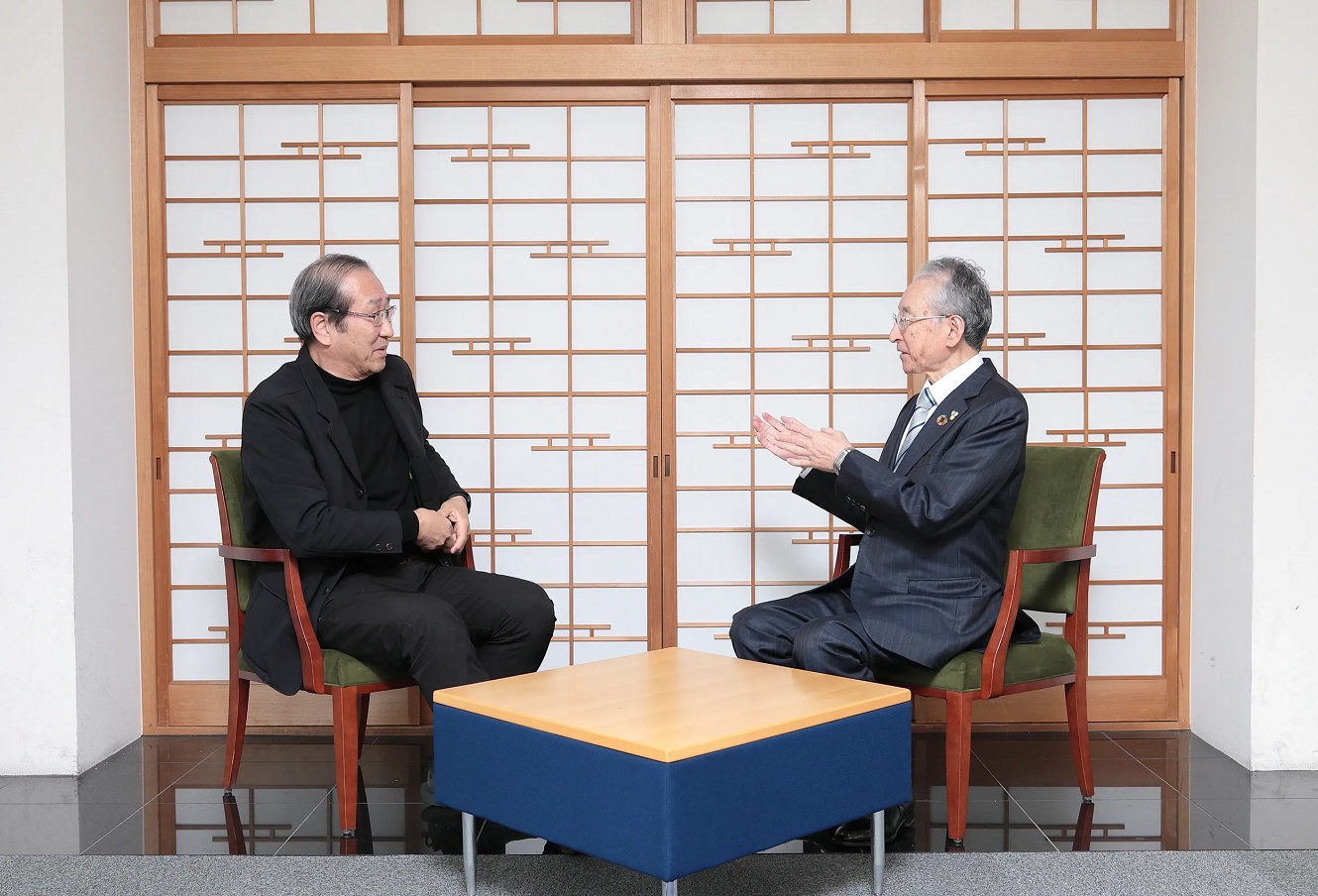
KITAGAWA Susumu
Executive Director and Vice-President of Kyoto University, and Distinguished Professor at the Institute for Integrated Cell-Material Sciences (iCeMS). Completed his doctoral studies at Kyoto University’s Graduate School of Engineering in 1979. After serving as Professor at the Graduate School of Engineering and Director of Kyoto University’s Institute for Integrated Cell-Material Sciences (WPI-iCeMS), he assumed his current position in 2024.
SAITO Tamotsu
Chairman, New Energy and Industrial Technology Development Organization (NEDO). Graduated from the Faculty of Engineering at the University of Tokyo in 1975 and joined Ishikawajima-Harima Heavy Industries Co., Ltd. (now IHI Corporation). He later served as President and Chief Executive Officer and then Chairman of IHI Corporation. He has held his current position since April 2023.